 how-to
How to Avoid Hidden Mortgage Closing Costs in Florida
Last Updated: November 2, 2026
Quick Summary
To avoid hidden closing costs in Florida, compare your Loan Estimate to the Closing Disclosure line by line and challenge any fee that appears only on the final document. Closing costs in Florida usually run 2% to 5% of the purchase price, so ask for a written breakdown and negotiate lender-controlled fees before you commit.
- Closing costs in Florida typically land between 2% and 5% of the purchase price.
- Your lender must send a Loan Estimate within three business days of your application.
- The Closing Disclosure must reach you at least three business days before closing.
- Government-set fees like documentary stamp taxes and recording fees are not negotiable.
- Confirm wire instructions by phone using a number you looked up yourself.
Table of Contents
- What Closing Costs Florida Buyers Actually Pay
- How to Read a Loan Estimate Line by Line
- Loan Estimate vs. Closing Disclosure: Auditing the Numbers
- Which Florida Fees Are Negotiable, Lender-Controlled, or Government-Set
- Your Mortgage Closing Cost Checklist for South Florida Closings
- How Loan Programs and Down Payments Change Your Costs
- Spotting Surprise Fees and Wire Fraud Before Closing Day
- Get a Transparent Cost Breakdown Before You Commit
- Frequently Asked Questions
What Closing Costs Florida Buyers Actually Pay
Closing costs in Florida are the fees and prepaid charges you pay to finalize a mortgage, and they usually land between 2% and 5% of the purchase price.
Most buyers focus on the down payment and forget the second bill. That is the mistake that hurts.
A few things drive your total higher:
- Higher purchase price, since many fees scale with the loan amount
- Certain loan programs with upfront mortgage insurance
- Prepaid taxes and insurance collected at closing
- Title work priced by the insurer you choose
Florida also layers on state-specific charges. Documentary stamp taxes, intangible taxes on some loans, and county-level title customs all change the math.
The Standard 2-5% Range and What Drives It Higher
The 2-5% range is a national benchmark, not a promise. Your number depends on the loan program, the property, and the county where you close.
Watch out: the biggest surprise for first-timers is prepaid escrow. Lenders often collect several months of property taxes and homeowners insurance upfront. That money is not a fee, but it still counts toward your cash to close.
How to Read a Loan Estimate Line by Line
A Loan Estimate is a three-page disclosure your lender must send within three business days of your application. It groups every projected cost into labeled blocks, and reading it line by line is the single best way to spot a hidden charge before it grows.

Here is what each page covers:
- Page 1, the summary. Loan amount, interest rate, monthly payment, and the "cash to close" figure. Compare this number to what you were quoted verbally.
- Page 2, the closing cost details. This is where fees live. Block A holds origination charges. Block B holds services you cannot shop for. Block C holds services you can shop for, like title.
- Page 3, comparisons. This page shows how your costs compare to averages and confirms whether you shopped.
The Consumer Financial Protection Bureau's Loan Estimate guide explains each block in detail. Read page 2 twice. That is where lenders differ most.
Loan Estimate vs. Closing Disclosure: Auditing the Numbers
The Closing Disclosure is the final version of your costs, and it must reach you at least three business days before closing. The Loan Estimate is the estimate. The Closing Disclosure is the bill. Auditing means comparing them line by line, and the fastest way to do that is to build a simple three-column worksheet: Loan Estimate amount, Closing Disclosure amount, and difference.
(https://www.consumerfinance.gov/compliance/compliance-resources/mortgage-resources/tila-respa-integrated-disclosures/tila-respa-integrated-disclosure-faqs/), certain charges are subject to zero tolerance, a 10% cumulative tolerance, or no tolerance at all. In practice, that means:- Zero tolerance: lender origination charges, fees for services you could not shop for, and transfer taxes. These should not increase from the Loan Estimate to the Closing Disclosure unless your loan terms changed or a documented changed circumstance applies.
- Tolerance-limited charges: recording fees and fees for services you could shop for but chose from the lender's list. These can rise, but only within a limited aggregate bucket.
- No tolerance: prepaid interest, property insurance premiums, escrow deposits, and services you shopped for from a provider not on the lender's list. These can change with the closing date, the insurance quote, or your provider choice.
Put the two documents side by side and check these Florida-specific lines first:
- Origination charges (Block A): should match unless your loan terms changed. Compare points, processing, underwriting, and any administrative fee line by line.
- Services you cannot shop for (Block B): appraisal, credit report, flood certification, and any lender-selected vendor fee. These carry zero tolerance.
- Services you can shop for (Block C): title insurance, settlement fee, survey, and pest inspection. If you chose a provider from the lender's written list, tolerance limits may apply; if you chose outside the list, the charge can move.
- Taxes and other government fees (Block E): Documentary stamp taxes and county recording fees. These are set by statute and county, so they should not move unless the purchase price or loan amount changed.
- Prepaids (Block F): homeowners insurance premium, prepaid interest, and property tax escrow deposits. These shift with the closing date and your insurance quote, so a difference here is normal, but the per-diem interest should match the actual closing date.
A common pattern is a fee that appears on the Closing Disclosure but never appeared on the Loan Estimate. That is the first thing to challenge in writing.
Watch out: a same-day request to sign before you have had time to compare the two documents defeats the three-business-day review period. If anyone pressures you to waive that window, treat it as a red flag and ask for the comparison in writing.
Keep a copy of both documents and your written questions. If a fee jumped and the explanation is vague, escalate to the lender's compliance contact before closing, not after.
Which Florida Fees Are Negotiable, Lender-Controlled, or Government-Set
Not every closing cost is up for debate.
| Fee Category | Examples | Who Controls It | Negotiable? |
|---|---|---|---|
| Government-set | Documentary stamp taxes, recording fees, intangible taxes on some loans | State and county | No |
| Lender-controlled | Origination, processing, underwriting, administrative fees | Your lender | Often yes |
| Shop-around | Title insurance, settlement, survey, pest inspection | You choose the provider | Yes |
| Contract-driven | Who pays title insurance and settlement fees | Your purchase contract and county custom | Yes, at contract stage |
Government-set fees are fixed by statute and county.
Lender-controlled fees are where real savings live. Origination points, processing fees, underwriting charges, and administrative fees vary between lenders.
Shop-around fees cover title insurance, settlement services, surveys, and pest inspections.
Contract-driven fees are the ones buyers overlook. In many Florida counties, local custom and the purchase contract determine whether the seller or buyer pays for the owner's title policy and the settlement fee.
Negotiating Lender Fees That Actually Move
Lender fees are often the most negotiable part of your closing costs. Ask for a written breakdown, then negotiate the line items that are not tied to a third party.
What tends to move:
- Origination points, especially if you have strong credit or a competing quote
- Processing and underwriting fees, when you can show another lender's written estimate
- Administrative and document fees, which are often added by default
- Rate buydowns, if you plan to stay long term
What rarely moves: third-party costs the lender passes through at cost, such as the appraisal and credit report, and government-set taxes and recording fees.
Watch out: a verbal promise to "take care of" a fee at closing is not enforceable.
Your Mortgage Closing Cost Checklist for South Florida Closings
A mortgage closing cost checklist keeps you from paying for surprises. Work through it in order, starting the day you apply.
- Get a Loan Estimate within three business days of applying
- Compare page 2 fees against another lender's quote
- Ask which title companies are approved and get two quotes
- Confirm who pays documentary stamp taxes under your contract
- Budget for prepaid taxes and insurance, not just fees
- Confirm your cash to close figure two weeks out
That last item matters more than most buyers realize. We will explain why next.
How Loan Programs and Down Payments Change Your Costs
Your loan program changes your closing costs as much as your lender does. FHA, VA, USDA, and conventional loans each carry different upfront charges.
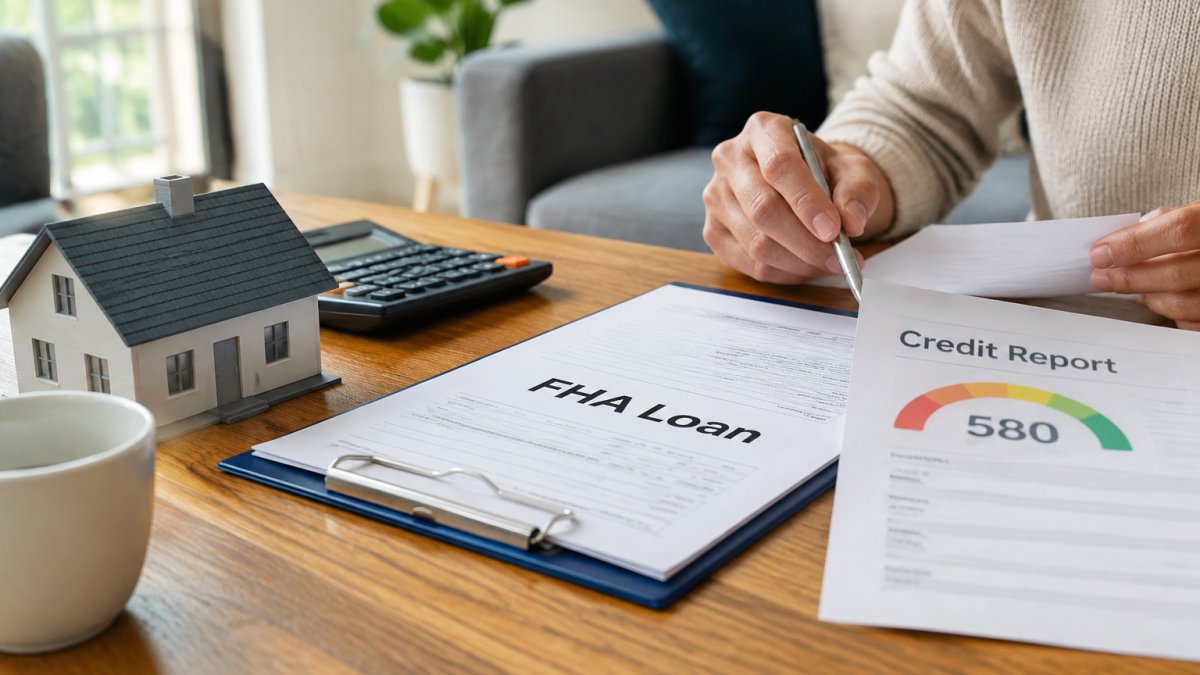
FHA loans include an upfront mortgage insurance premium. VA loans often waive the lender's funding fee for eligible borrowers with service-connected disabilities.
A larger down payment can lower your monthly insurance costs and sometimes your rate. It also means more cash upfront.
For FHA-specific savings, see 7 ways to cut FHA closing costs in Florida. If you are still deciding how much to put down, our guide on how much down payment for an FHA loan walks through the numbers.
Spotting Surprise Fees and Wire Fraud Before Closing Day
Surprise fees and wire fraud are the two ways buyers lose money at the finish line. Both are preventable with a little skepticism.
Red flags for junk fees:
- A charge that appears only on the Closing Disclosure, never on the Loan Estimate
- Vague labels like "administrative fee" or "miscellaneous"
- Fees that grew without a documented change in circumstances
Wire fraud is worse. The FBI's guidance on real estate wire fraud explains how these schemes work.
Watch out: if anyone pressures you to wire funds same-day without a phone verification, stop. That is the classic setup.
Get a Transparent Cost Breakdown Before You Commit
Transparency is the whole game with closing costs. Ask any lender for a full written breakdown before you commit, and treat vague answers as a warning.
Choosing the right lender matters as much as the rate. Our guide on how to choose a mortgage lender for your first home covers the questions worth asking.
At Jr Mortgage, we build that transparency into the process.
Frequently Asked Questions
What mortgage closing costs should I expect in Florida?
Most Florida buyers pay roughly 2-5% of the purchase price in closing costs, and the exact figure depends on loan size, loan program, and county. Common line items include loan origination and processing fees, title insurance, settlement and escrow fees, notary fees, property tax prorations, documentary stamp taxes, appraisal and inspection fees, and prepaid items like homeowners insurance and prepaid interest. Ask your lender for an itemized Loan Estimate within three business days of applying so you can budget against real numbers instead of a broad range.
What is the difference between a Loan Estimate and a Closing Disclosure?
The Loan Estimate arrives within three business days of your application and shows estimated loan terms and closing costs. The Closing Disclosure arrives at least three business days before closing and shows the final numbers. Compare them side by side: lender-controlled fees generally cannot increase, while certain third-party costs can change within tolerance limits. If a fee jumped without a valid reason, ask your lender to explain it in writing before you sign.
Which closing costs can I negotiate with a lender?
Lender-controlled fees are the most negotiable: origination, processing, underwriting, and rate-related charges. You can ask for a reduced origination fee, a lender credit in exchange for a slightly higher rate, or waiver of an administrative charge. Third-party services like title insurance and settlement fees may also be negotiable depending on your contract and county customs. Government-set charges such as documentary stamp taxes and recording fees are not negotiable, so focus your effort on the lender and title line items.
Can a seller pay some of my closing costs in Florida?
Yes. Seller concessions are common in Florida, especially in slower markets or when a buyer's offer needs to stand out. The seller agrees to credit a set amount toward your closing costs, which lowers your cash to close. Concession caps vary by loan program and down payment, so confirm the limit with your lender before writing the offer. Your real estate contract should state the credit clearly so it appears correctly on the Closing Disclosure.
The best defense against hidden closing costs is a lender who shows you the numbers before you ask. Get started with Jr Mortgage and close with a cost breakdown you understand from day one.